
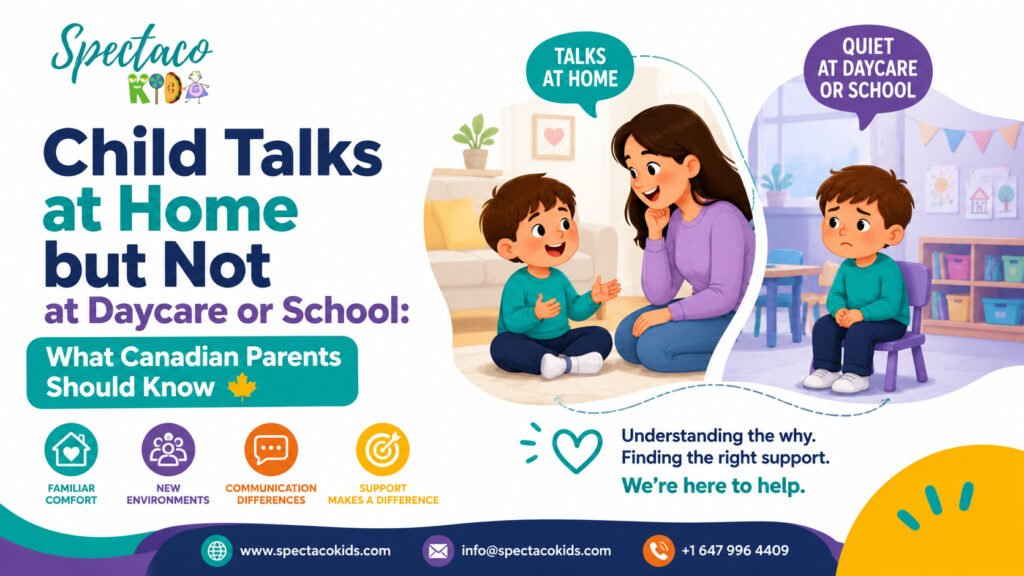
At home, your child talks, laughs, asks questions, tells stories, and shows their personality.
But at daycare, preschool, school, or around unfamiliar adults, they become quiet.
Maybe the teacher says:
“They barely speak in class.”
“They only nod or point.”
“They whisper to one friend.”
“They do not answer when I ask a question.”
“They seem to understand, but they won’t talk.”
For parents, this can feel confusing.
You may wonder:
Is my child just shy?
Is this anxiety?
Could it be selective mutism?
Is it a speech or language concern?
Is something happening at school?
Should I wait, or should I ask for help?
The answer depends on the child.
Some children are naturally slow to warm up. Some need more time in new environments. Some may be dealing with anxiety, social pressure, communication difficulty, sensory overload, or selective mutism.
The important thing is not to force speech. The first step is understanding why communication feels harder in one setting than another.
Why Can a Child Talk at Home but Not at School?
A child’s communication can change depending on where they are, who they are with, how safe they feel, and what is expected from them.
Home may feel predictable.
School may feel busy, loud, fast, social, and full of pressure.
At home, your child may know the people, routines, rooms, toys, and expectations. At school, they may need to manage new adults, peers, noise, group instructions, transitions, rules, and attention from others.
For some children, that is a lot.
Child Mind Institute explains that children with selective mutism are often talkative at home but unable to speak in more public settings, including school. It also describes selective mutism as anxiety-based, not a child choosing to be difficult.
Is It Shyness, Anxiety, Selective Mutism, or Speech Delay?
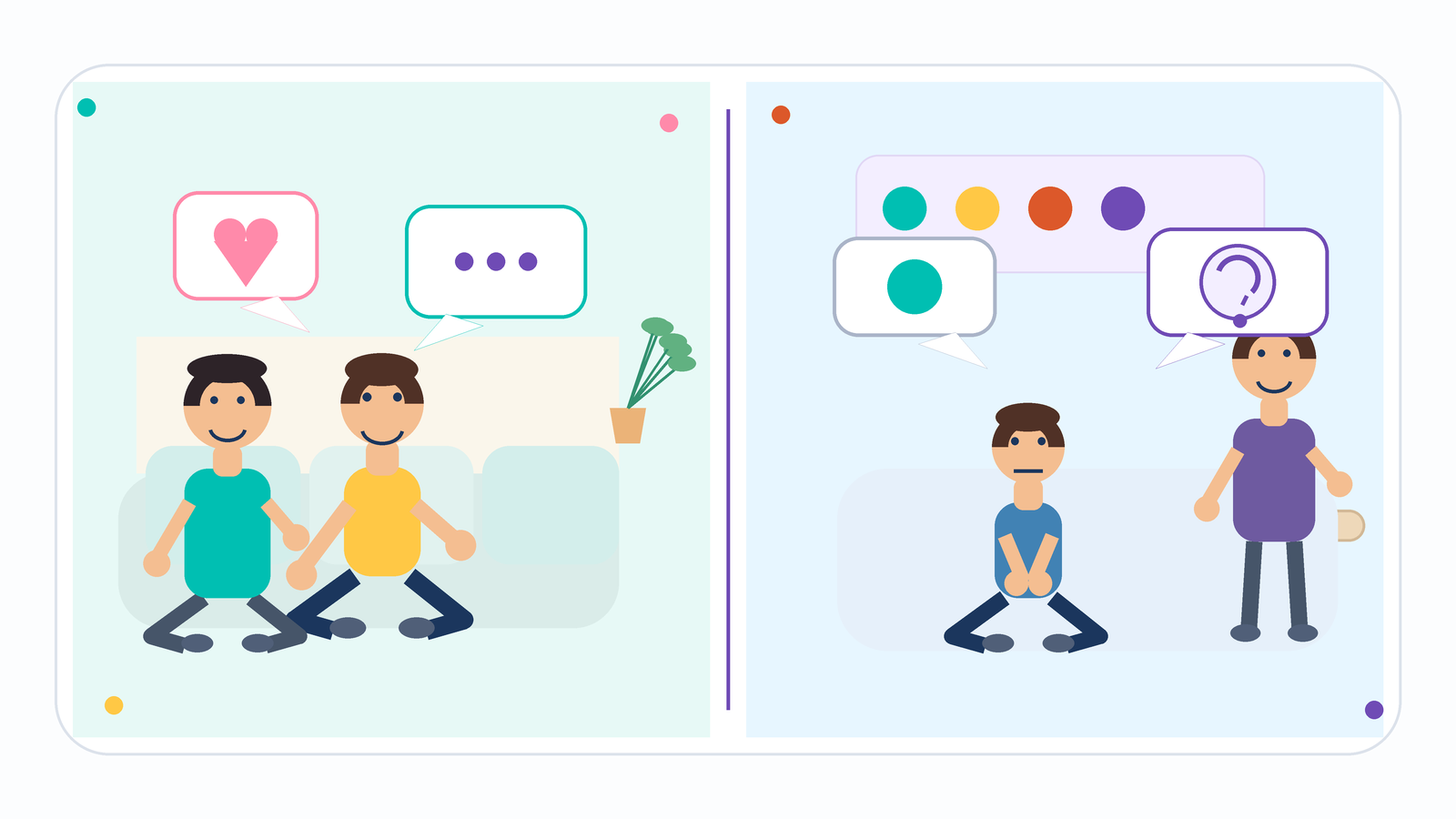
These concerns can look similar from the outside, but they are not exactly the same.
Shyness
A shy child may be quiet at first but can usually speak when they feel comfortable.
They may need warm-up time.
They may speak to familiar adults.
They may answer quietly.
They may become more comfortable with gentle support.
Shyness can improve with time, trust, and positive experiences.
Anxiety
An anxious child may want to speak but feel worried about making a mistake, being judged, being noticed, or not knowing what to say.
They may freeze, look down, avoid eye contact, whisper, or let someone else speak for them.
Anxiety can affect speech even when a child has the ability to talk.
Selective Mutism
Selective mutism is more than shyness.
CAMH describes selective mutism as consistently not speaking in specific situations where speaking is expected, such as school, despite speaking in other situations.
eMentalHealth.ca, a Canadian mental health resource, describes a common pattern where a child speaks comfortably at home but is unable to speak outside the home, such as at school, stores, restaurants, or public places.
A child with selective mutism is not refusing to speak. They may feel unable to speak in certain settings because of anxiety.
Speech or Language Delay
A child with a speech or language delay may have difficulty communicating across settings, not only at school.
They may struggle to:
Use enough words
Speak clearly
Understand questions
Follow directions
Form sentences
Express needs
Tell stories
Use social language
Speech therapy may help if the issue is connected to communication skills, language understanding, articulation, or confidence using words.
Signs Your Child May Need Extra Support
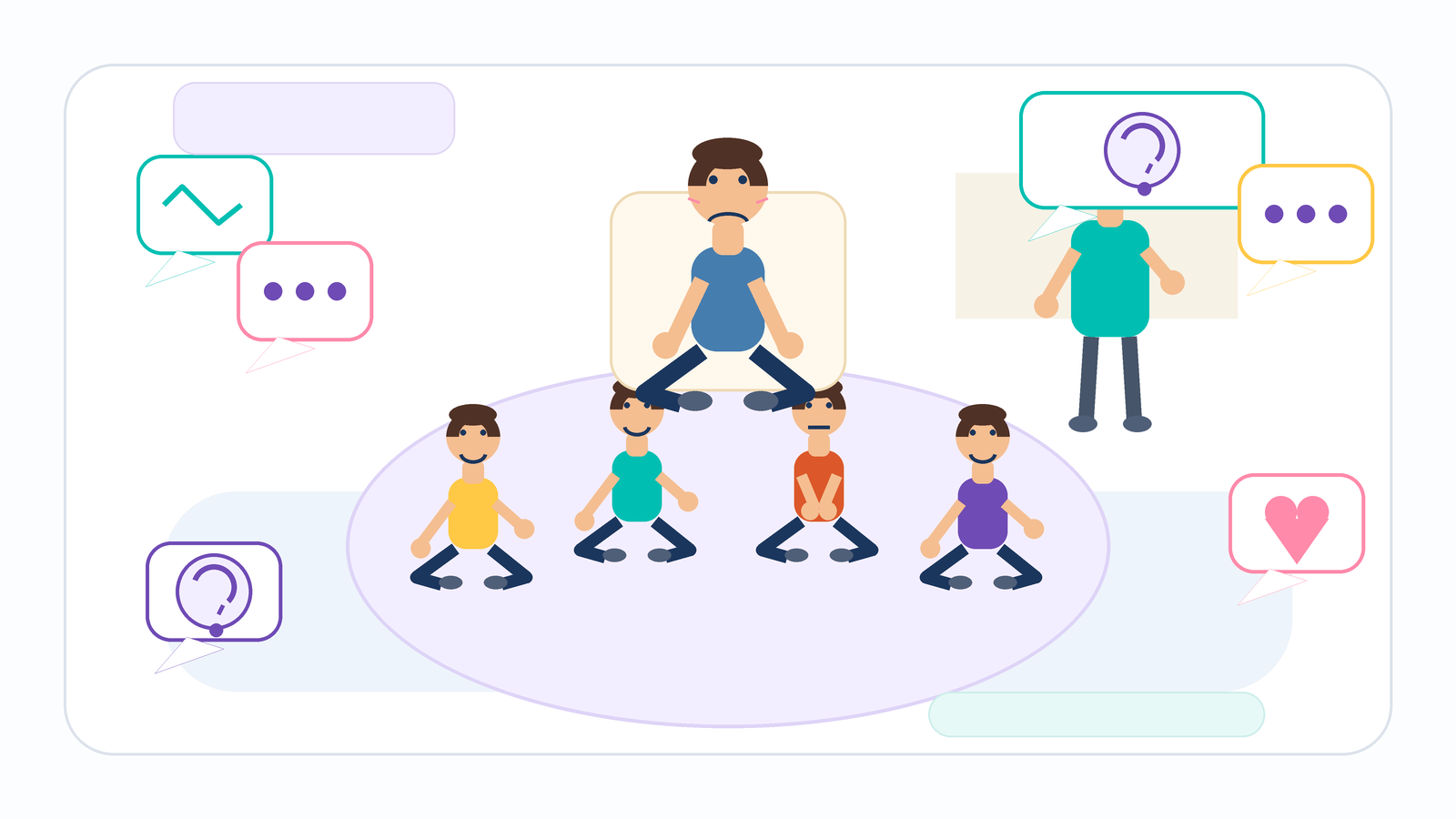
It may be time to ask for support if your child:
Talks freely at home but rarely speaks at daycare or school
Has been quiet in one setting for more than one month
Only whispers, nods, points, or uses gestures outside the home
Avoids answering teachers or unfamiliar adults
Freezes when asked a question
Avoids group activities because speaking may be expected
Does not ask for help at school
Does not tell adults when they need the bathroom, food, water, or a break
Avoids peers or has difficulty joining play
Seems anxious before daycare or school
Gets upset when people say, “Why don’t you talk?”
Is not improving with time and gentle support
Child Mind Institute notes that to be diagnosed with selective mutism, a child must be able to speak in some places but not in others.
A diagnosis is not something parents need to figure out alone. The goal is to notice patterns and seek professional guidance when communication is affecting daily life.
What Parents Should Avoid
When a child is not talking in a certain setting, adults often try to help by encouraging speech.
But some common responses can accidentally add pressure.
Try to avoid saying:
“Say hi.”
“Use your words.”
“Why are you being shy?”
“You talked at home, so talk now.”
“Tell the teacher what you told me.”
“You won’t get the toy unless you ask.”
“Everyone is waiting for you.”
These comments may seem harmless, but for a child with anxiety or selective mutism, they can increase fear and make speaking even harder.
Instead, the goal is to reduce pressure and create small, safe communication opportunities.
What Parents Can Do at Home
You can support your child without forcing them to talk.
1. Talk About Feelings Without Blame
Use simple, calm language.
“You talk a lot at home, but school feels harder.”
“Sometimes words get stuck when we feel nervous.”
“We can practise slowly.”
“You are not in trouble.”
This helps the child understand that adults see their struggle without shame.
2. Do Not Make Speaking the Centre of Attention
Avoid making a big reaction when your child speaks in a harder setting.
Instead of:
“You talked! Good job!”
Try calm, natural responses:
“I heard you ask for the blue crayon.”
“You told me you wanted the car.”
“You answered the question.”
Some children feel embarrassed by big praise. Quiet, specific encouragement can feel safer.
3. Practise Low-Pressure Communication
Communication does not have to begin with full sentences.
Start with:
Pointing
Choosing between two items
Nodding
Showing a card
Whispering to parent
Answering yes/no
Using one word
Talking during play
Speaking near the teacher before speaking to the teacher
Small steps matter.
4. Create Predictable Routines
Children often feel safer when they know what will happen.
Before daycare or school, talk about the day in simple steps.
For example:
First arrival.
Then cubby.
Then circle time.
Then snack.
Then play.
Visual routines may help children who feel anxious with transitions or expectations.
5. Work With the Teacher
Ask the teacher what they notice.
Helpful questions include:
Does my child speak to peers?
Do they whisper?
Do they point or gesture?
Do they ask for help?
Do they use the bathroom independently?
Are they quiet all day or only during group time?
Do they seem anxious, frozen, or relaxed?
What situations make speaking harder?
What situations make communication easier?
A child may be silent with adults but comfortable with one peer. They may speak during free play but not during circle time. These details matter.
How Speech Therapy Can Help
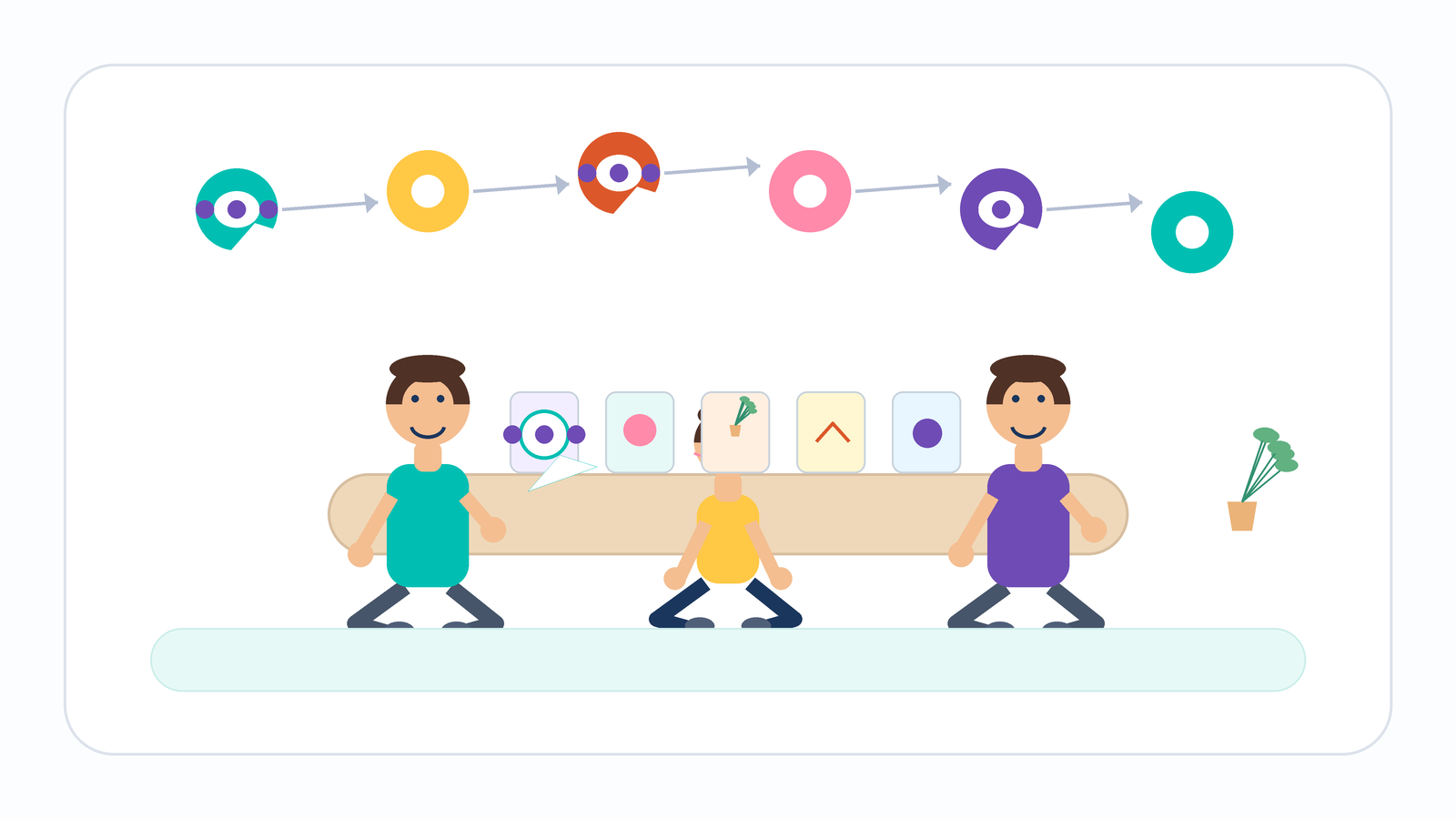
Speech therapy can help when a child needs support with communication confidence, language skills, social communication, articulation, or functional communication.
A speech-language therapist may support:
Understanding the child’s communication profile
Building expressive language
Supporting social communication
Helping the child ask for help
Practising communication through play
Using visual supports
Supporting parent and teacher strategies
Helping the child communicate across settings
SpectacoKids lists Speech Therapy as support for communication, language, articulation, and feeding skills.
If the child is quiet because speaking feels hard, unclear, or overwhelming, speech therapy may be an important part of the plan.
How Psychotherapy Can Help
If the concern is anxiety, social fear, selective mutism, school stress, or emotional overwhelm, psychotherapy may help.
Psychotherapy can support children with:
Understanding feelings
Building coping tools
Reducing fear around speaking
Practising brave communication steps
Managing social anxiety
Building confidence
Helping parents respond calmly
Supporting school participation
Child Mind Institute explains that treatment for selective mutism often uses specialized behavioural therapy techniques that gently prompt speech and reinforce successful speaking experiences.
For some children, support may involve both speech therapy and mental health support.
How Social Skills Groups Can Help
Some children are quieter in school because they are unsure how to join peers, start play, answer questions, or handle group interaction.
Social skills groups can help children practise communication in a supportive setting.
They may support:
Turn-taking
Sharing ideas
Joining play
Talking with peers
Understanding social cues
Building confidence in groups
Practising conversation through play
SpectacoKids lists ABA-based social-skills groups where children learn and practise with peers.
Group support can be helpful when a child needs safe practice with communication and peer interaction.
How Occupational Therapy May Also Help
Sometimes a child’s silence at school is not only about speech.
Sensory overload can affect communication.
A child may become quieter when the classroom is loud, bright, crowded, or unpredictable. They may shut down when overwhelmed by noise, transitions, movement, or too many instructions.
Occupational Therapy can help children with sensory regulation, body awareness, transitions, and daily routines. SpectacoKids describes Occupational Therapy as support for motor skills, sensory regulation, and independence in daily activities.
When the body feels calmer, communication may become easier.
A Simple Support Plan Parents Can Try
Here is a gentle step-by-step approach.
Step 1: Observe
Write down where your child talks and where they do not.
Home?
Car?
Grandparents’ house?
Daycare?
School?
Playground?
Doctor’s office?
Stores?
Birthday parties?
Also note who they speak to.
Parents?
Siblings?
Peers?
Teacher?
Unfamiliar adults?
Step 2: Reduce Pressure
Ask adults not to demand speech in front of others.
Instead of direct questions, teachers can offer choices, visuals, gestures, or simple participation without forcing the child to speak.
Step 3: Build Comfort
Help your child become comfortable in the environment before expecting speech.
This may include visiting the classroom when it is quiet, playing near the teacher, or practising with one familiar peer.
Step 4: Start Small
Communication steps can move gradually.
Smile
Point
Nod
Show a card
Whisper to parent
Whisper near teacher
Say one word
Answer a choice question
Use a short phrase
Speak during play
Progress should feel safe, not rushed.
Step 5: Involve the Right Professionals
If the pattern continues, speak with a therapist, physician, school team, or mental health provider.
Child Mind Institute recommends that children diagnosed with selective mutism work with a mental health provider, ideally one experienced with selective mutism.
When to Seek Professional Help
Consider professional support if:
Your child has been quiet at school or daycare for more than one month
They seem frozen, anxious, or distressed when expected to speak
They do not ask for help at school
They avoid peers or group activities
They struggle with speech or language in multiple settings
They are becoming more avoidant over time
School participation is affected
Teachers are concerned
Your parent instinct says something is not right
Early support can help before the child becomes used to avoiding speech in certain settings.
How SpectacoKids Can Help
SpectacoKids provides ABA Therapy, Speech Therapy, Occupational Therapy, Psychotherapy, Respite Care, ABA-based Camps, and Social Skills Group Classes. Services are available in-centre and in-home across Milton, Mississauga, Oakville, and Burlington.
If your child talks at home but not at daycare or school, the right support may include:
Speech Therapy for communication, language, and confidence
Psychotherapy for anxiety, emotions, and coping skills
Occupational Therapy for sensory regulation and transitions
Social Skills Groups for peer interaction and group confidence
ABA Therapy for structured skill-building and daily routines
The goal is not to force your child to speak.
The goal is to understand what makes communication hard and help your child build confidence safely, step by step.
Your child’s voice is already there.
They may just need the right support to use it in more places.
Contact SpectacoKids
Website: www.spectacokids.com
Email: info@spectacokids.com
Phone: +1 647-996-4409
Locations:
Milton Centre
Unit 202 – 61 James Snow Pkwy N, Milton, ON L9E 0H1
Mississauga Centre
3353 The Credit Woodlands, Unit 5, Mississauga, ON L5C 2K1
Mississauga Centre
Unit 52 – 1077 N Service Rd, Mississauga, ON L4Y 1A6
SpectacoKids lists its phone number, email, centre locations, free consultation option, and services on its website.
Follow SpectacoKids:
Instagram: @spectacokids
Facebook: SpectacoKids
LinkedIn: SpectacoKids
Book a free consultation through the SpectacoKids website.
FAQ Section for Google and AI Search
Why does my child talk at home but not at school?
A child may talk at home but not at school because school feels less familiar, more socially demanding, louder, busier, or more anxiety-provoking. Some children are shy, while others may have selective mutism, speech-language concerns, sensory overload, or social communication difficulties.
Is selective mutism the same as shyness?
No. Shyness usually improves as a child becomes comfortable. Selective mutism is an anxiety-related condition where a child can speak in some settings, such as home, but is unable to speak in specific settings where speaking is expected, such as school.
Should I force my child to talk at school?
No. Forcing speech can increase pressure and anxiety. A better approach is to reduce pressure, build comfort, use small communication steps, and seek professional support if the pattern continues.
Can speech therapy help if my child does not talk at school?
Yes. Speech therapy can help if the child needs support with communication confidence, expressive language, social communication, articulation, or functional communication across settings.
Can psychotherapy help with selective mutism or speaking anxiety?
Yes. Psychotherapy or specialized behavioural therapy can help children manage anxiety, practise brave communication steps, and build confidence speaking in more settings.
When should I seek help?
Seek help if your child has been quiet at daycare or school for more than one month, does not ask for help, avoids peers, appears frozen or distressed, or if communication difficulties are affecting learning, play, or daily life.